6 November 2026
Unreal Engine / Local AI
RoomMemory
What does a small AI model need to understand and edit a 3D world?
- Status
- Work in progress
- Tools
- Unreal Engine / Qwen3-VL-2B
The prototype
Starting small.
I started with a small room, a plant, and a spell that changes the world around it. I wanted to explore a game where a player can describe a change in their own words, while the world remembers what they placed and what should stay.
The first version is playable. I can place and rotate the plant, transform the room into prepared jungle or underwater environments, and return. The plant even has a little bounce when clicked.
The prototype uses Qwen3-VL-2B locally with Unreal. Written spells produce a proposal that I can apply or dismiss. The environments and assets already exist; Unreal's rules preserve objects and their support relationships.
That gave me a concrete place to ask a harder question: can the model choose the right change, especially when the room has a history?
Early observations
What the first tests showed.
01 Text / history / tools
The lamp that changed back
In turn 9 of a ten-turn dialogue, the request was to undo an older lamp change while preserving a later one. The model chose the wrong edit: the lamp went from lavender back to gold. It then claimed it had preserved the later change.
Expected
Keep the later lavender appearance
Actual
Reverted to gold while claiming success
The operation was valid, but its target was wrong. This editing test used text, history and tools, not images. It made the gap between a successful tool call and a successful request very clear.
02 One image / one description
A separate visual check
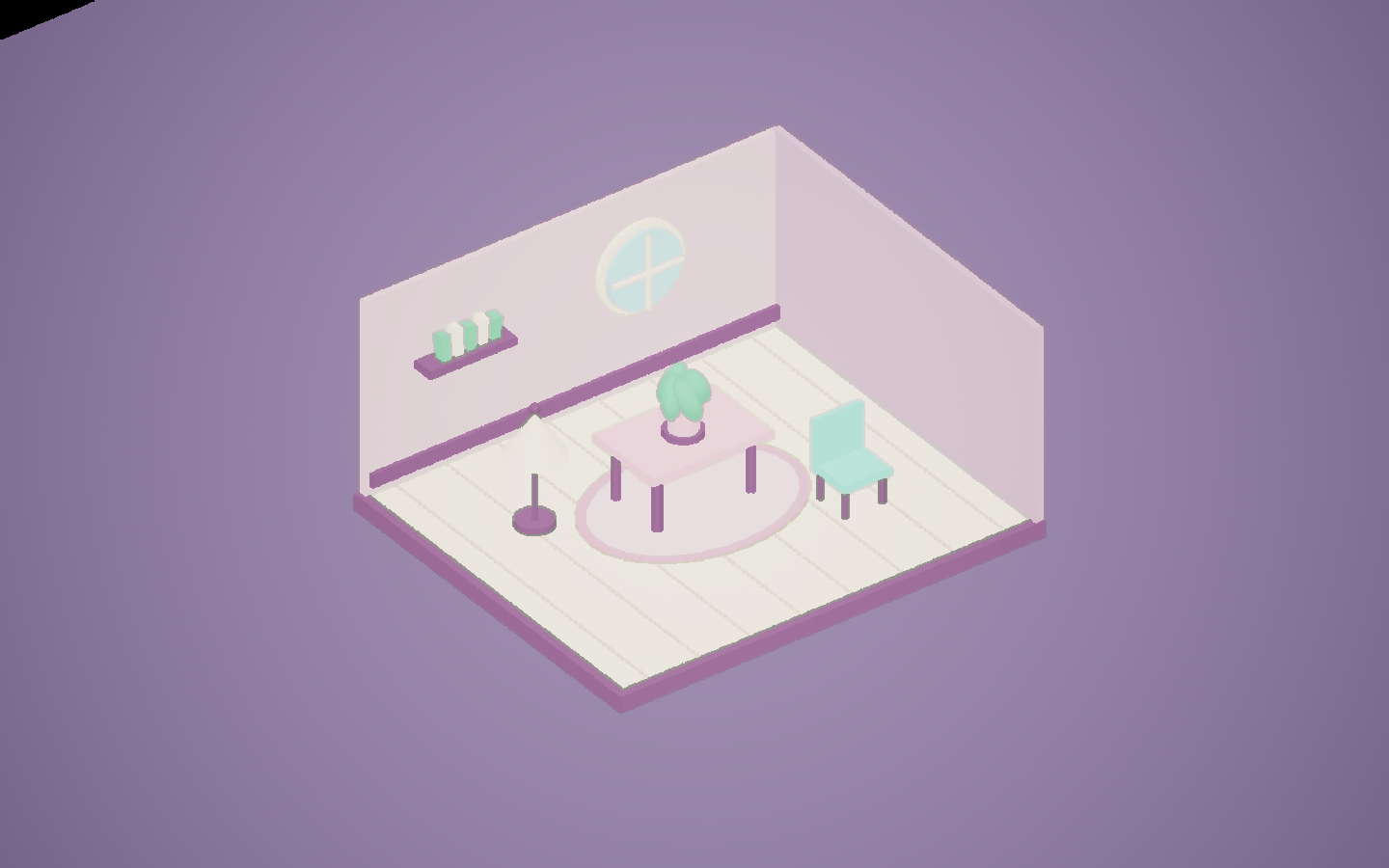
For a different test, I used one unchanged room screenshot and only the question, “What do you see in this image?” No object names, scene description, scene JSON or conversation history were added.
The run review reports that Qwen identified the main furniture and the plant on the table, but may have miscounted the objects on a shelf. That possible error still needs a side-by-side check of the image and raw response. This was one description, not an editing or undo test.
Questions to explore